- /
Park City
Park City Real Estate: A Local Broker's Guide
Park City is one of the few American mountain towns that's simultaneously a world-class ski destination, a year-round community, and a serious second-home market. We're a brokerage built specifically for buyers and sellers in this market, and we work with everyone from first-time second-home buyers to clients who've been holding Park City property for decades.
This page covers what we wish every buyer knew before they started looking here — the neighborhood differences that actually matter, the practical considerations that don't show up in listing photos, and how to think about Park City versus the surrounding Wasatch Back communities.
Park City vs. Snyderville Basin: Two Zip Codes, Two Different Markets
The single most important thing to understand: when people say "Park City," they usually mean one of two distinct areas separated by zip code.
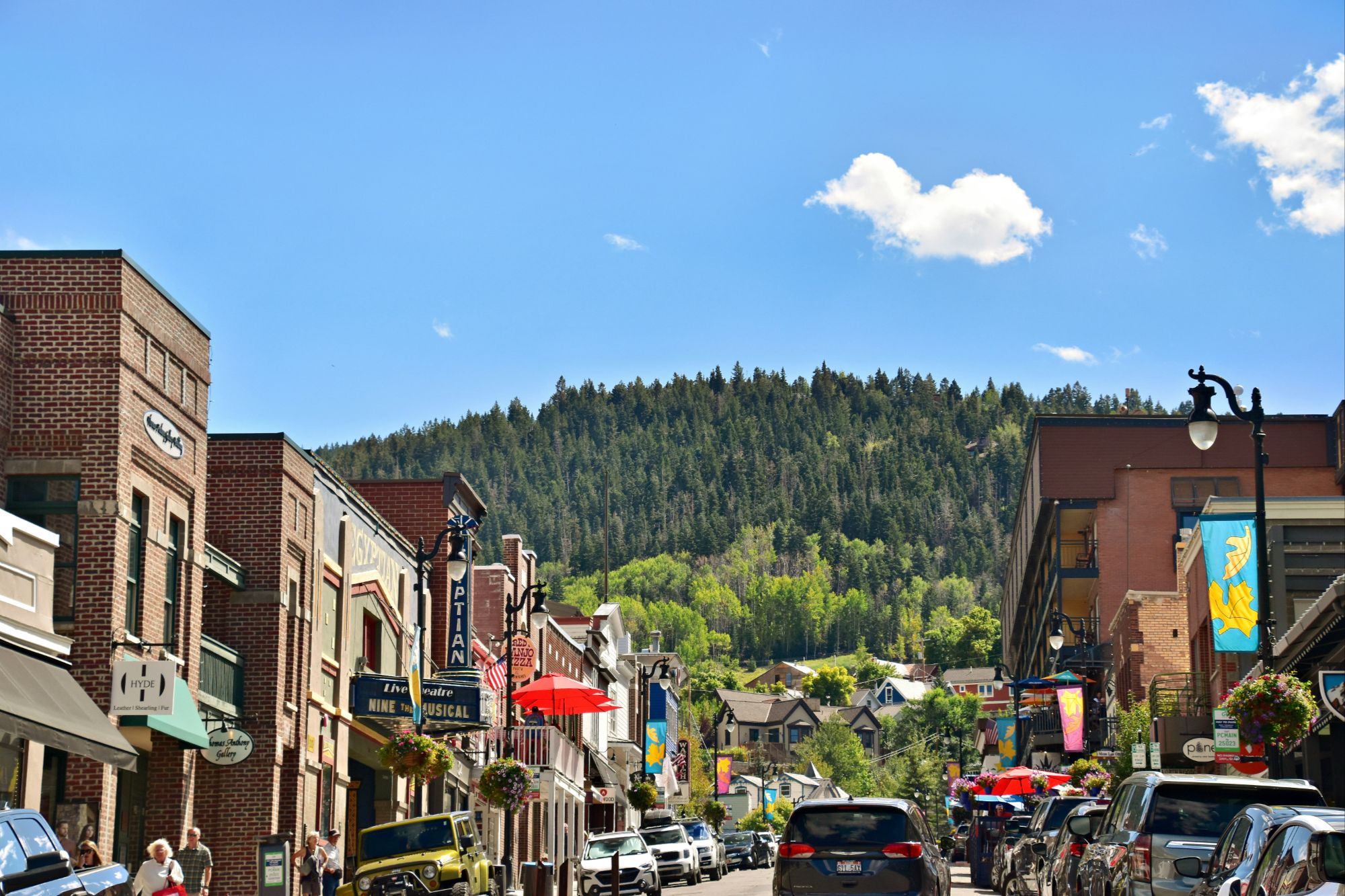
Park City proper (84060) is the original mining town and resort core. This is Old Town, Main Street, Park Meadows, Prospector, Thaynes Canyon, Aerie, and the neighborhoods within the historic city limits. You can walk or bike to the lifts at Park City Mountain Resort. Old Town homes are often historic miner's cottages updated to modern standards; Park Meadows is more established, single-family, with the Park Meadows Country Club at its center.
Snyderville Basin (84098) is everything north and west of the city limits — Kimball Junction, Jeremy Ranch, Pinebrook, Silver Creek, Trailside Park, and the residential neighborhoods along the I-80 corridor. The basin is where most of Park City's full-time families live. It's typically more affordable per square foot than 84060, with more conventional family homes and easier access to grocery stores, schools, and the airport.
Both have the same Park City address. Both are inside the Park City School District. But they live very differently. We help buyers figure out which fits before we start showing homes — it saves weeks of false starts.
Who Buys in Park City
The Park City buyer pool is unusually diverse. We work regularly with:
Primary residents — families and professionals who chose Park City as their full-time home. Snyderville Basin neighborhoods like Jeremy Ranch and Pinebrook dominate here.
Second-home owners — buyers from California, Texas, Florida, and the East Coast who want a mountain home with real airport access. Salt Lake City International is 35 minutes door-to-door, which means weekend trips actually work.
Investment buyers — owners who want a property that performs as a short-term rental when they're not using it. Park City's STR market is well-established, but rules vary significantly by neighborhood, HOA, and zone. Some neighborhoods allow nightly rentals freely; others restrict to 30+ days. This is a question to ask before you make an offer, not after.
Retirees relocating — often from coastal markets, drawn by the lifestyle, the lack of state estate tax, and Utah's reasonable property taxes.
What to Know Before Buying
A few things we tell every buyer before they tour:
HOA fees deserve close attention. Park City has more HOAs than almost any market we work in, and the fees range from negligible to north of $2,000 a month for amenity-heavy buildings. The fee itself matters less than what it covers — exterior maintenance, snow removal, ski-shuttle service, and amenities can be a fair value or a sinkhole depending on the building.
Short-term rental rules are property-specific. Don't trust general advice. The same street can have one home zoned for nightly rentals and another restricted to long-term only. We pull the specific rules for any property a buyer is serious about before we draft an offer.
Transfer fees and resort fees are real. Some Park City neighborhoods (particularly in resort developments) carry transfer fees due at closing that are calculated as a percentage of the purchase price. These can add five or six figures to a luxury transaction. They're disclosed, but easy to miss in the contract review if you don't know to look.
Altitude is a factor. Park City sits at roughly 7,000 feet. For some buyers — particularly those coming from sea level — this matters for both lifestyle and resale. It's worth spending a few days at altitude before committing.
Lifestyle: What Park City Actually Offers
Park City has Sundance, three major ski resorts in roughly 20 minutes (Park City Mountain, Deer Valley, and the new Deer Valley East Village expansion), the Utah Olympic Park, the Park City Center for the Arts, Main Street's restaurant scene, and access to some of the best mountain biking in the country. Summer is genuinely as strong a season as winter — many of our buyers come for the skiing and stay for the trails.
The school district consistently ranks at the top of Utah's public school rankings. Healthcare is solid, with Park City Hospital plus easy access to the broader Salt Lake medical network. Salt Lake City International is one of the most convenient mountain-resort airports in the country.
Frequently Asked Questions
What's the difference between Park City and Snyderville Basin? Park City proper (zip 84060) is the historic resort core — Old Town, Park Meadows, walking distance to Park City Mountain Resort. Snyderville Basin (zip 84098) is the surrounding residential area including Jeremy Ranch, Pinebrook, and Kimball Junction. Both share the Park City address and school district, but the basin is generally more affordable and more family-oriented while the city core is more resort-focused.
Can I use a Park City home as a short-term rental? Sometimes, depending on the specific property. Park City has a mix of nightly-rental-friendly zones and restrictive HOAs within the same neighborhoods. The rules are property-specific, not neighborhood-wide, so we recommend verifying STR eligibility on any property before making an offer.
How far is Park City from Salt Lake City International Airport? About 35 minutes by car under normal conditions. This is one of the things that distinguishes Park City from other major American ski towns — most are two to four hours from a major airport. The proximity is a major reason Park City works as a second-home market.
What's the property tax rate in Park City? Utah's property taxes are moderate by national standards, but rates vary by parcel and by primary-residence status. Owner-occupied primary residences receive a significant tax reduction; second homes are taxed at the full rate. We can pull the exact tax burden on any specific property.
Are there good neighborhoods in Park City for full-time families? Yes — Park Meadows, Jeremy Ranch, Pinebrook, and Trailside are all strong full-time family neighborhoods with good schools, established communities, and easier daily logistics than the resort core. We work with families relocating to Park City regularly and can match neighborhoods to specific priorities like commute, school assignments, and lot size.
When is the best time to buy in Park City? Inventory historically peaks in spring and early summer; the deepest discounts often appear in shoulder seasons (April–May and October–November). That said, the right home is rarely on the market long, so the better question is usually about your readiness, not the calendar. We track inventory daily and can position you to move quickly when the right property surfaces.